Beyond Dress Codes: Are Our Workplaces Keeping Up With How We Work?
It’s Not About Shorts. It’s About Whether the Modern Workplace Has Kept Up With the Way We Work.
Each summer, the UK seems to have the same debate. Is it acceptable for men to wear shorts in the office?
This year, the debate started up again after a BBC article asked if workplace dress codes are outdated during heatwaves. As usual, people disagreed. Some said professionalism depends on how you look, while others wondered why clothes matter if the work gets done.
After reading the article and many public comments, I couldn’t help but feel we’re asking the wrong question. Because I help businesses find office space across London every day, I think the conversation shouldn’t begin with what’s in our wardrobes. It should start with whether our offices are keeping pace with the modern workplace.
If employees are uncomfortable, is clothing really the issue? In the past ten years, office buildings in the UK have changed a lot, but not all of them have kept up. Many newer offices now have effective air conditioning, fresh-air systems, outdoor terraces and flexible breakout areas designed to make the working environment more comfortable. Yet there are still plenty of offices that become uncomfortably hot during summer heatwaves.
Instead of people debating if they should be allowed to wear tailored shorts to stay comfortable, perhaps we should really be asking whether the workplace is fit for purpose. After all, nobody does their best work when they’re distracted by being too hot.
That brings us to the wider question: what does a professional workplace actually look like today?
Professionalism Hasn’t Gone Away. It Has Simply Changed.
One of the more interesting themes in the BBC comments was the disagreement over what professionalism actually means. For some, it’s about maintaining standards and presenting a polished image to clients. Other views focused on trusting employees to exercise good judgement. In reality, these views can exist together. Context matters.
A solicitor meeting clients in the City, a financial adviser pitching to investors, and a software developer spending the day collaborating internally don’t necessarily need identical dress expectations.
Professionalism has never depended on one specific piece of clothing. It’s about knowing your audience and dressing appropriately for the environment you’re in. That may still mean a suit in some industries. In others, it may mean smart chinos and a polo shirt. The key is good judgement, rather than rigid rules that apply equally to everyone. And perhaps that’s the important point. If we’re increasingly trusting employees to make decisions about how, when and where they work, why shouldn’t we trust them to make sensible decisions about what they wear?
The Modern Workplace Is Built On Trust
The modern workplace isn’t simply about where people sit. It’s about creating an environment that supports the way people actually work. We’ve embraced hybrid working, flexible hours, hot-desking and a greater focus on outcomes rather than simply measuring the amount of time someone spends at a desk.
The latest CIPD research found that 74% of organisations have hybrid working in place, while 41% of employers believe increased home or hybrid working has improved productivity or efficiency. At the same time, research from Leesman highlights why the physical workplace still matters. Among employees under twenty-five, 78% believe the office contributes to a sense of community, while those who feel strongly connected to their workplace report significantly higher levels of productivity.
So The Workplace Isn’t Disappearing. It’s Evolving
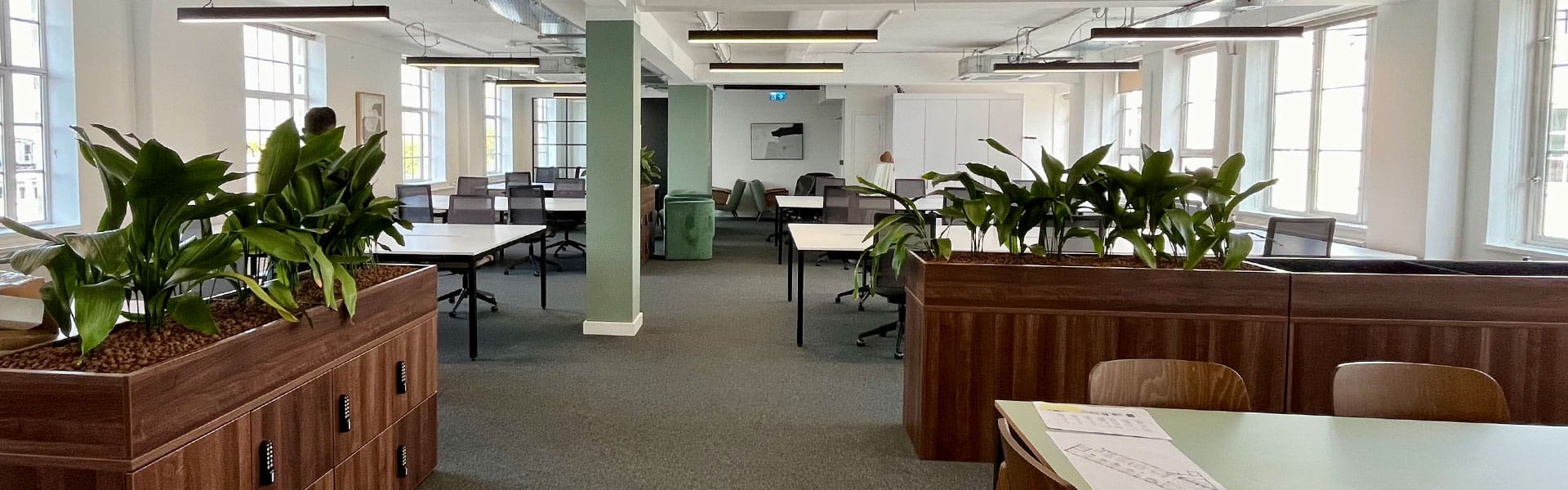
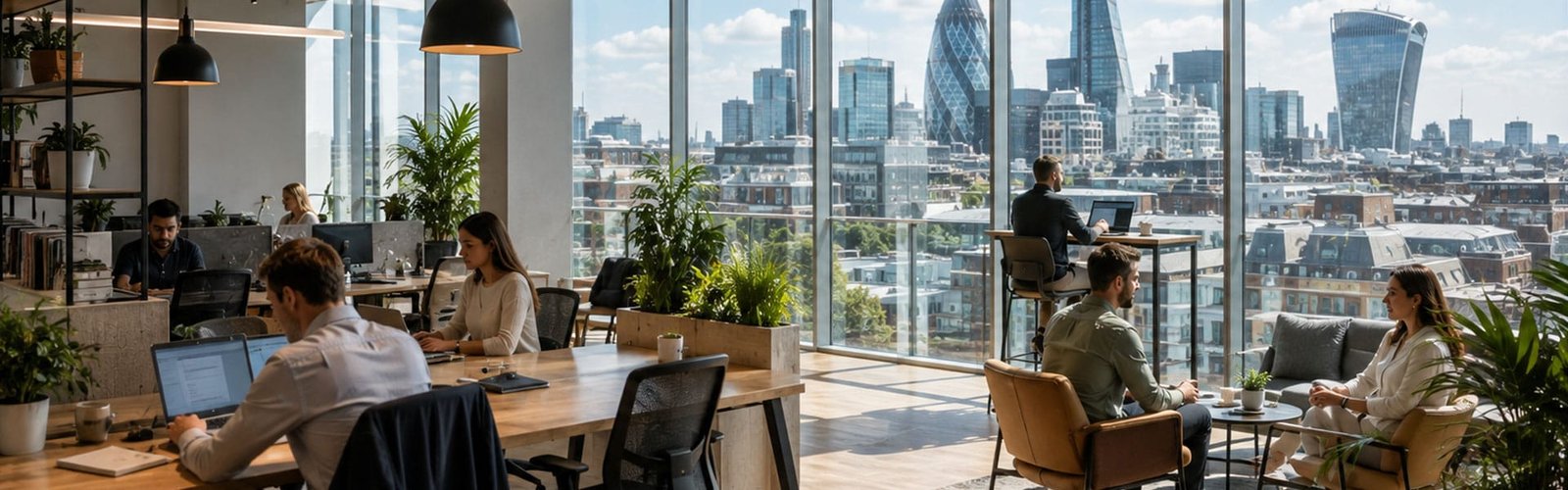
And if we’re asking employees to come into the office, the office needs to offer something worthwhile when they get there. That means more than a desk and a chair. It means creating an environment where people can collaborate, concentrate, communicate and, importantly, feel comfortable.
The best workplaces remove unnecessary friction. When clients ask me what employees are looking for in an office today, dress codes rarely feature near the top of the list.
Instead, they talk about natural light. Reliable air conditioning. Good ventilation. Quality meeting rooms. Breakout spaces. Being located near good transport links for employees and partners. Whilst amenities that make the working day more enjoyable. These are the things that influence whether people actually want to come into the office. And that’s increasingly important. The office is no longer somewhere employees have to be from nine until five. For many businesses, it has become part of the employee proposition.
Companies don’t invest in better workplaces to look good in a brochure. They do it because comfortable, well-designed offices can help create an environment where people want to work, collaborate and stay.
That doesn’t necessarily mean spending huge amounts of money. Sometimes the biggest improvements come from getting the basics right: effective cooling, good ventilation, comfortable furniture, natural light, useful meeting spaces and areas where people can work away from their desk.
So Let’s Set Aside The Debate About Shorts
Whether men should wear shorts to work isn’t really the story. The more important question is whether employers are creating workplaces where people can do their best work. There will always be situations where a particular standard of dress is appropriate. Client meetings, certain professions and particular environments will quite rightly have different expectations.
But that doesn’t mean every workplace needs a rigid dress code. Sometimes professionalism means dressing formally. It means dressing appropriately for the environment. Recognising that asking someone to sit in a hot office wearing heavy trousers doesn’t make them any more professional.
The companies attracting and retaining the best talent aren’t necessarily those with the strictest dress codes. More often, they’re the ones that combine professionalism with practicality, understand what today’s workforce expects, and create workplaces where people actually want to be. Perhaps that’s the conversation we should be having.
In all the office tours I’ve done over the years, it’s rare to have a client turn down a place because people dress too casually; probably because we ask about your culture and preferred office style. But I’ve lost count of how many offices have been rejected for being too hot, stuffy or simply uncomfortable for a full working day.
In the end, workplaces should help people do their best work. If a debate about shorts gets employers thinking more carefully about the spaces they’ve created, perhaps it’s a conversation worth having after all.
Is Your Office Still Working For Your Team?
If your workplace no longer reflects how your business works, it may be time to rethink the space you’re in. OfficeBroker helps London businesses find flexible, serviced and managed office space that fits the way they work – completely free of charge. Get in touch with us here.